

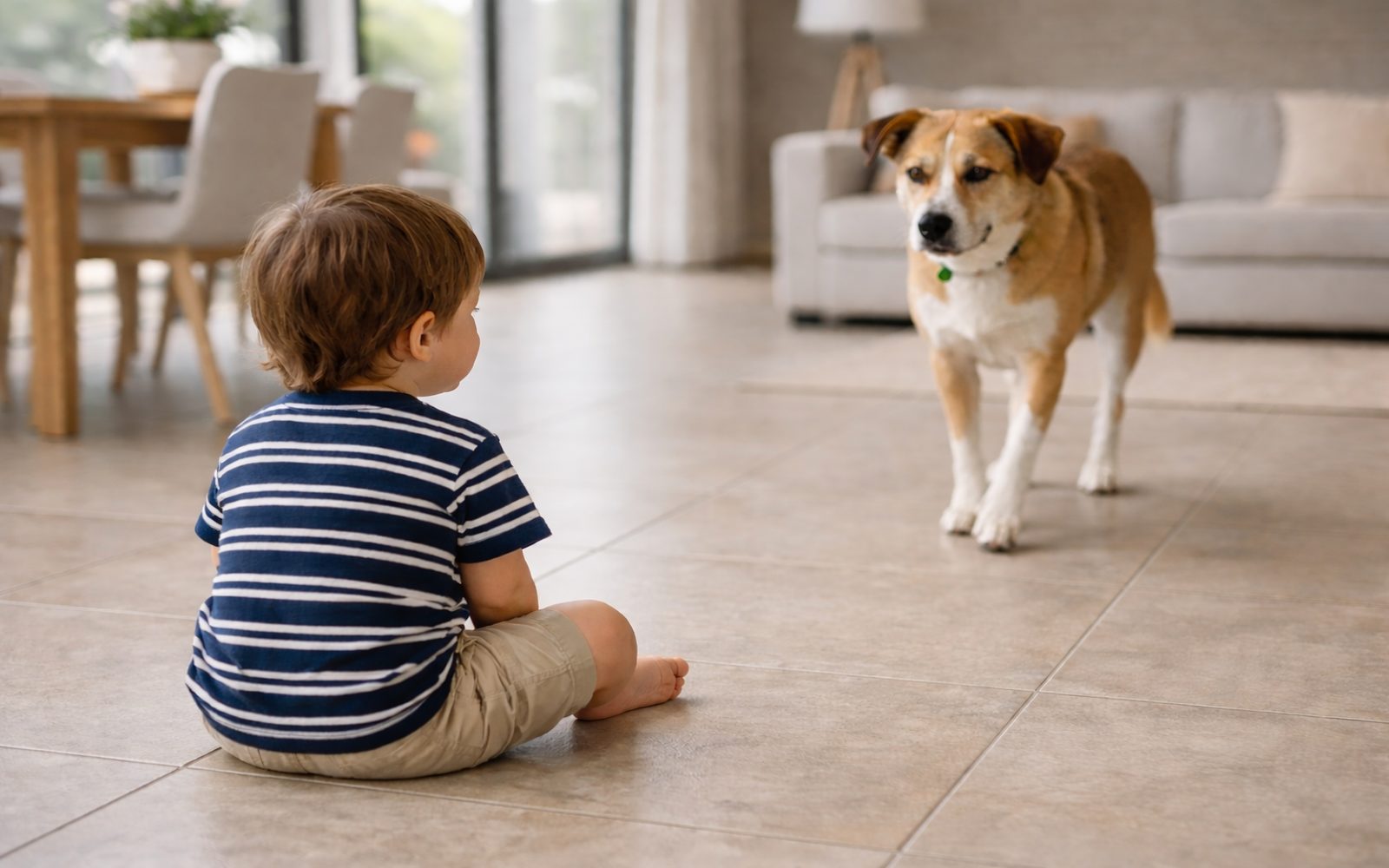
Tile flooring is a popular choice for busy households, especially in homes with kids and pets. It offers durability, easy cleaning, and long-term value—but safety is often overlooked during the selection process. Slip ratings play a critical role in how tile performs in real, everyday conditions. Understanding what these ratings mean helps reduce fall risks and creates a more secure environment for little feet and playful paws.
Why slip resistance matters in family homes
Spills, wet shoes, pet water bowls, and quick movements are all part of daily life in active households. Tile surfaces that look beautiful in a showroom can behave very differently once moisture is introduced.
Slip-resistant tiles are designed to maintain traction underfoot, reducing the likelihood of slips and falls. This is especially important in areas such as kitchens and dining spaces, bathrooms and laundry rooms, entryways and mudrooms, and finished basements and walk-out areas.
For households with kids learning to walk or pets that run and pivot quickly, slip resistance is not a luxury—it is a safety essential.
Understanding tile slip ratings without the jargon
Slip ratings are typically measured using standardized testing methods. The most commonly referenced rating for residential tile is the DCOF, which stands for Dynamic Coefficient of Friction.
What DCOF actually measures
DCOF evaluates how much resistance a tile provides when a person is already moving across it. This is more realistic than older static tests, as it reflects real walking conditions.
A DCOF of 0.42 or higher is generally recommended for interior spaces exposed to moisture. Higher numbers indicate better traction under wet conditions.
This rating is especially relevant for homes with kids and pets, where sudden movement and spills are common.
Tile finishes and how they affect traction
Not all tile finishes behave the same, even when made from similar materials.
Matte finishes and textured surfaces
Matte-finish tiles and lightly textured surfaces typically offer better slip resistance than polished options. These finishes provide subtle grip without feeling rough underfoot, making them ideal for family living spaces.
Polished and high-gloss tiles
Polished tiles reflect light beautifully but tend to become slippery when wet. These are better suited for low-traffic, dry areas or vertical applications such as walls and backsplashes.
Choosing the right finish can often improve safety more effectively than changing tile size or color.
Porcelain vs ceramic tile for safer floors
Both porcelain and ceramic tiles are popular, but performance differences matter when safety is a priority.
Porcelain tile advantages
Porcelain tile is denser and less porous, making it more resistant to moisture. Many modern porcelain tiles are manufactured with built-in slip resistance while maintaining a clean, contemporary look.
Ceramic tile considerations
Ceramic tile can still be a good option, but slip ratings vary widely. Extra attention should be paid to finish type and DCOF rating when selecting ceramic tile for active areas.
Grout lines play a bigger role than expected
Tile size and grout spacing also influence slip resistance.
Smaller tiles with more grout lines naturally increase traction, as grout provides additional grip. This is why mosaic tiles are commonly used in bathrooms and shower floors. In larger-format tiles, choosing a slightly wider grout joint or a textured tile surface can help compensate.
Grout color and material can still be selected to complement the overall design without sacrificing safety.
Where slip-rated tile makes the biggest impact
Some areas benefit more from slip-rated tile than others.
High-priority spaces for families
Bathrooms with tubs or walk-in showers, kitchens where spills are frequent, entryways exposed to rain, snow, or mud, and laundry rooms and pet-washing areas all benefit significantly from slip-resistant tile.
In these spaces, prioritizing slip resistance helps prevent accidents before they happen.
Balancing safety with design preferences
Slip-resistant tile no longer means compromising on style. Today’s options include wood-look porcelain tiles with textured grain, natural stone visuals with matte finishes, and large-format tiles engineered for higher DCOF ratings.
Modern manufacturing allows safety and aesthetics to work together, making it easier to create cohesive, family-friendly interiors.
Professional guidance makes the difference
Slip ratings can vary by manufacturer, tile series, and even finish within the same product line. Reading technical specs alone often does not tell the full story.
Working with experienced flooring experts helps match the right tile to the specific needs of a household—considering lifestyle, traffic levels, pets, kids, and long-term maintenance.
A safer home starts with the right tile choice
Tile flooring slip ratings are more than numbers on a spec sheet. They directly influence daily comfort, confidence, and safety in homes filled with movement and life. Understanding these ratings ensures flooring choices support both style and peace of mind.
Ready to explore safer tile flooring options?
Area Flooring & Tile is a family-run flooring company based in Crystal Lake, IL, proudly serving nearby communities with personalized, shop-at-home service. Flooring experts guide each step—from selection to installation—helping create beautiful, long-lasting floors designed for real family living. Reach out today to schedule a free in-home consultation and discover tile flooring that fits both style and safety needs.


