

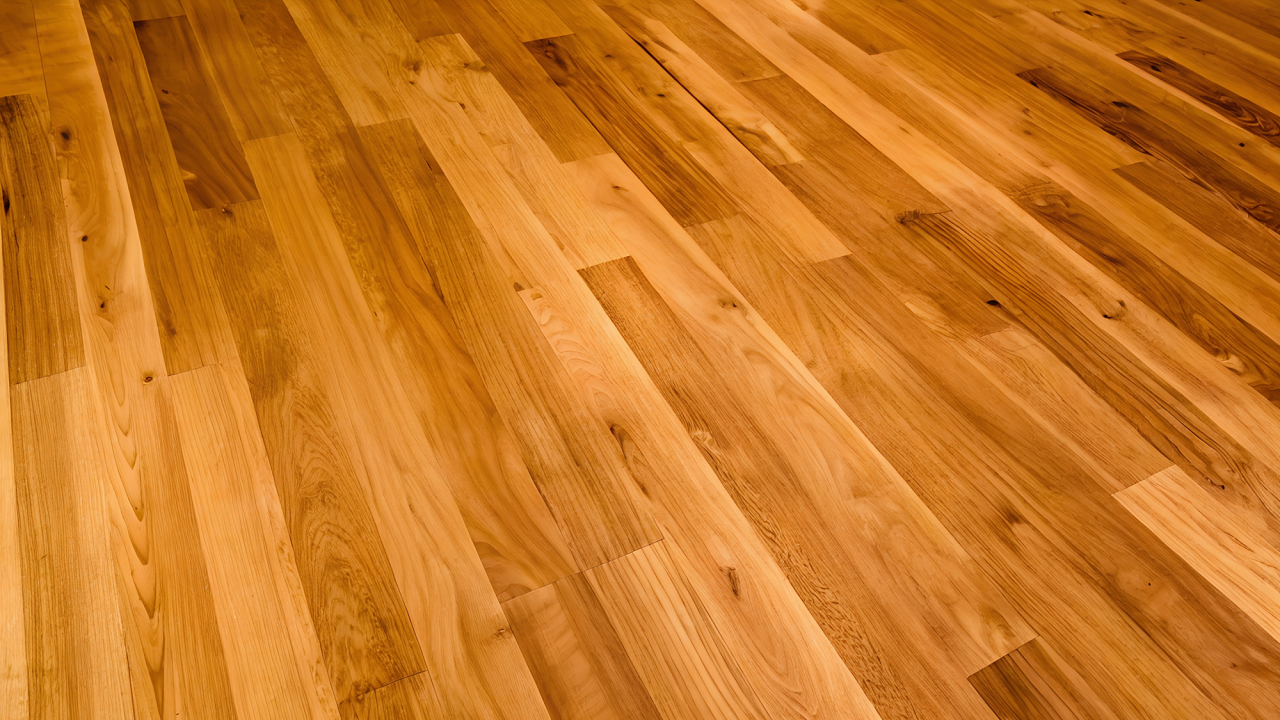
Hardwood flooring remains a premier choice for homeowners throughout Crystal Lake, Illinois, offering timeless elegance, natural warmth, and exceptional long-term property value. However, choosing between solid hardwood and engineered hardwood requires careful consideration of Northern Illinois' distinct seasonal climate. Understanding how temperature and humidity fluctuations affect real wood will help you select the ideal floor for your home.
Understanding Hardwood Options for McHenry County Climate
Crystal Lake experiences drastic seasonal weather changes—from hot, humid summers to freezing, dry winters. Wood is a natural material that responds directly to atmospheric moisture. During sticky summer months, wood planks absorb moisture and expand. In winter, indoor heating systems dry out the air, causing wood to lose moisture and contract. Knowing how solid and engineered hardwood react to these shifts is key to making a lasting investment.
Solid Hardwood: Timeless Beauty and Refinishing Potential
Solid hardwood planks are crafted from a single, continuous piece of solid lumber, typically 3/4 inch thick. It is a classic building material celebrated for its authentic grain structure and incredible longevity.
Refinishing Capability: Because solid wood is thick throughout, it can be sanded down and refinished multiple times over its lifetime. This allows you to change stain colors or eliminate decades of wear without replacing the floor.
Ideal Placement: Solid hardwood performs best on or above ground level (first and second floors) over wooden subfloors where moisture levels remain consistent.
Considerations: Solid hardwood expands and contracts noticeably across seasons. Without strict indoor climate control (using humidifiers in winter and air conditioning in summer), gaps or cupping can develop between planks.
Engineered Hardwood: Dimensional Stability for Humid Summers and Dry Winters
Engineered hardwood is constructed using a real hardwood top veneer bonded over multiple cross-grained layers of high-grade plywood or core board. This cross-ply construction prevents the wood from expanding or shrinking in response to humidity shifts.
Superior Stability: The opposing grain layers neutralize natural wood movement, making engineered hardwood far less prone to cupping, gapping, or warping during severe Midwest weather changes.
Versatile Installation: Engineered hardwood can be safely installed on all levels of your home, including over concrete slabs, in lower levels, or directly above radiant floor heating systems.
Authentic Appearance: Once installed, engineered hardwood looks identical to solid hardwood because the surface layer is real natural wood.
Choosing the Right Hardwood Floor for Your Family
Deciding between solid and engineered hardwood comes down to where you plan to install the flooring, your subfloor type, and how you manage indoor humidity throughout the year. If you want a floor for a main-level dining room that can be sanded down decades later, solid wood is an exceptional choice. If you want real hardwood stability over concrete or in areas with moderate humidity variance, engineered hardwood is often the smarter solution. Our flooring specialists are here to guide you through wood species, board widths, and professional installation.


