

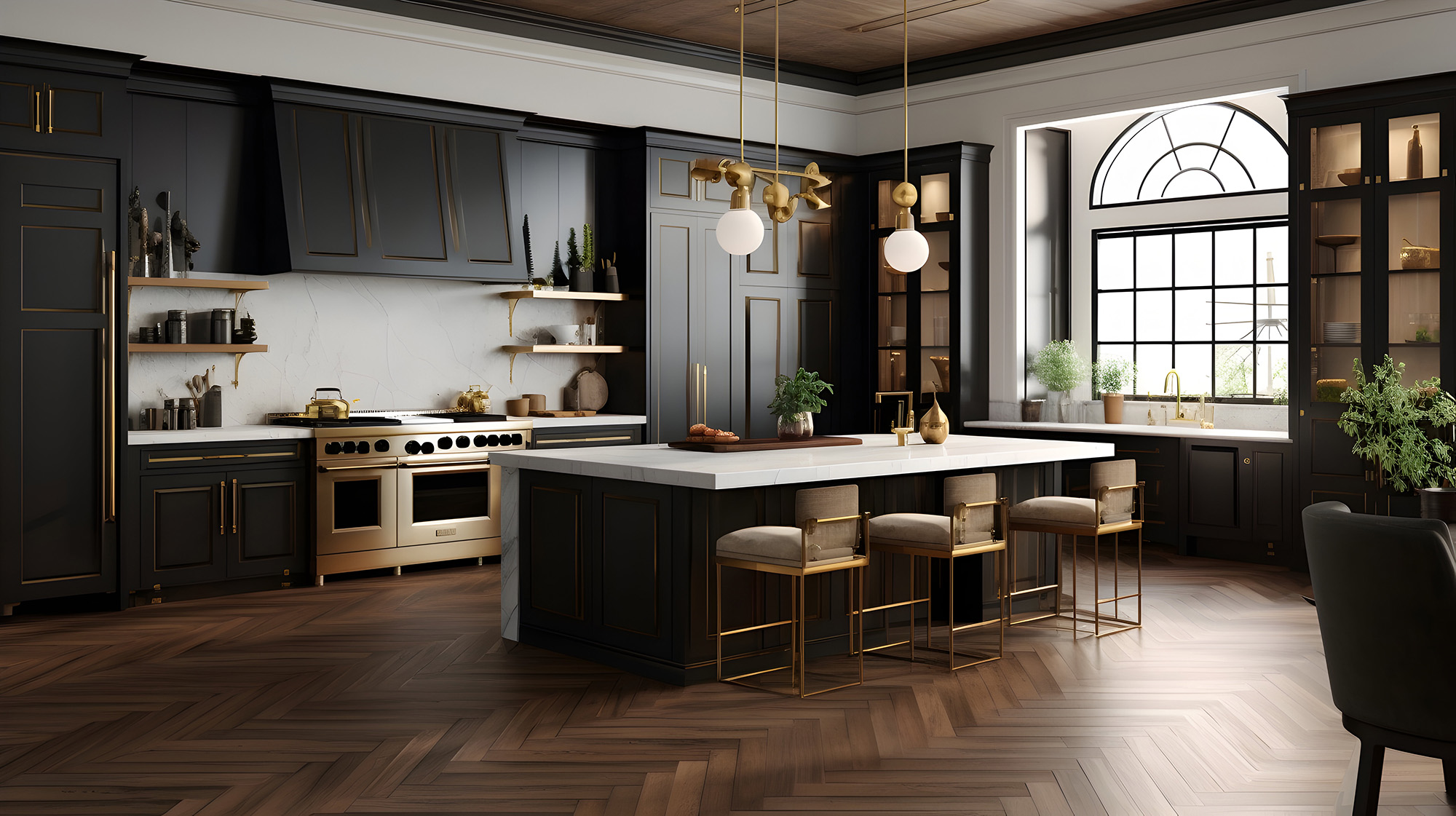
Hardwood flooring remains the gold standard for homeowners seeking timeless elegance, natural warmth, and high resale value. However, shopping for hardwood introduces a crucial decision: should you opt for traditional solid hardwood or modern engineered hardwood? Both options feature real wood surfaces, but their internal construction dictates how they behave under different environmental conditions within your home.
The Classic Appeal of Solid Wood
Solid hardwood is exactly what the name implies: a single, solid piece of wood from top to bottom, usually measuring about three-quarters of an inch thick. The greatest advantage of solid wood is its longevity. Because it is a thick, homogeneous plank, it can be sanded down and refinished multiple times over its lifespan. A well-maintained solid hardwood floor can easily last for generations, adapting to changing interior design trends through different stain colors over the decades.
The Innovation Behind Engineered Hardwood
Engineered hardwood is constructed using a clever, multi-layered design. It features a top layer of genuine hardwood veneer bonded over multiple layers of high-density fiberboard or plywood backing, arranged in a cross-grain configuration. This unique structural design gives engineered hardwood immense dimensional stability. Unlike solid wood, it resists expanding, contracting, warping, or cupping when exposed to fluctuating temperatures and indoor moisture levels.
Environmental Factors: Humidity and Subfloors
Your home's architecture and local climate play a massive role in this decision. Solid hardwood is highly sensitive to moisture and humidity changes, making it ideal only for above-ground levels and rooms with controlled climates. Engineered hardwood, on the other hand, can be safely installed in areas where solid wood might fail, including basements, rooms with radiant underfloor heating, or homes built on concrete slab foundations.
Longevity and Refinishing Capabilities
While engineered hardwood handles environmental stress better, it has a more limited refinishing lifespan than solid wood. Depending on the thickness of the top real-wood veneer layer, engineered floors can generally only be sanded and refinished one to three times. When choosing between the two, you must weigh the ultimate generational longevity of solid wood against the versatile, stable performance of engineered planks.
Choosing the right hardwood for your home is an investment in both your daily comfort and your property's long-term value. Whether you are ready to start your renovation today or simply want to explore your design options, our team of experienced professionals is here to guide you every step of the way.
Contact Area Flooring & Tile today to schedule your personalized consultation or visit our showroom to see these beautiful materials in person.


